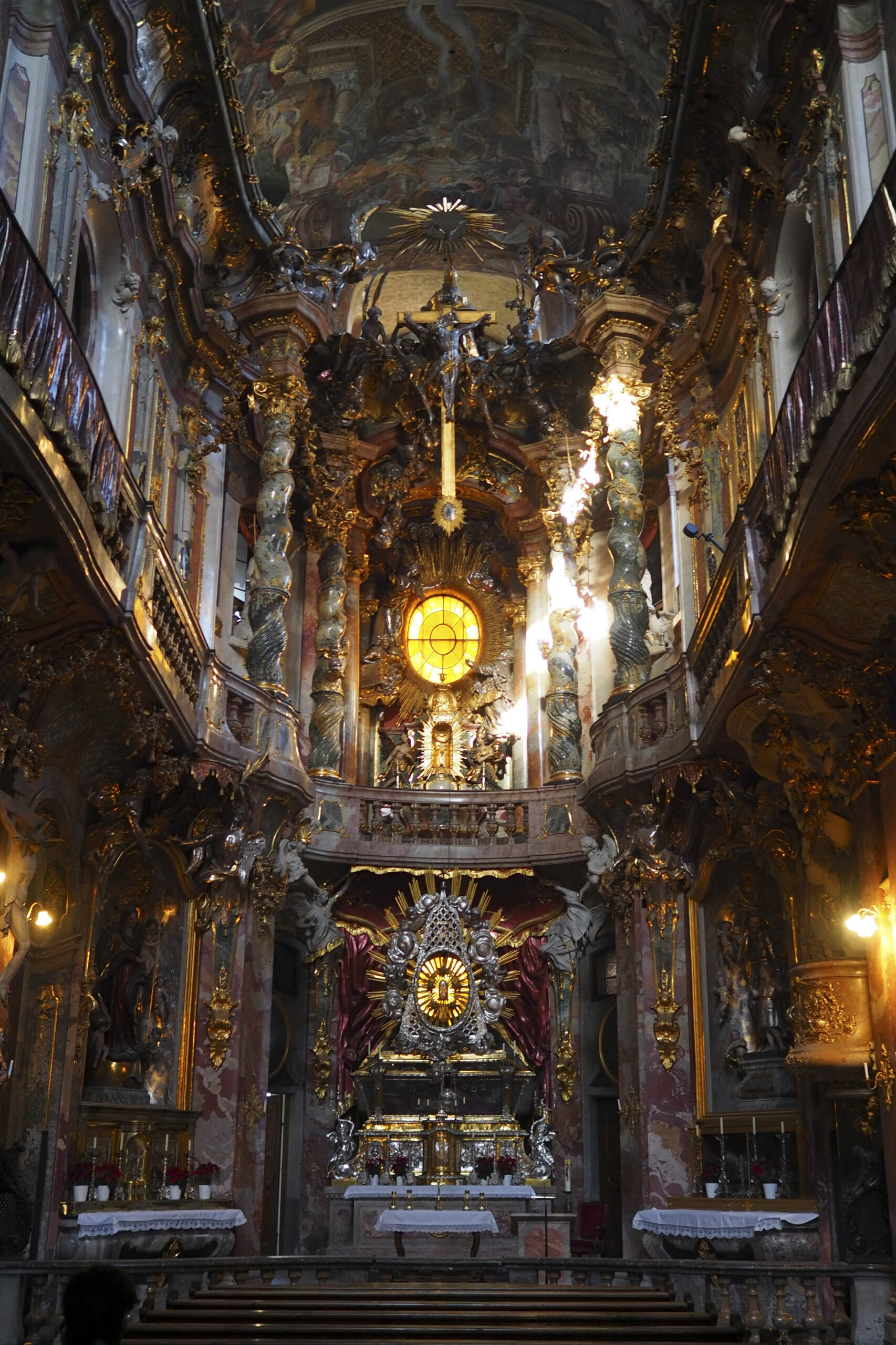
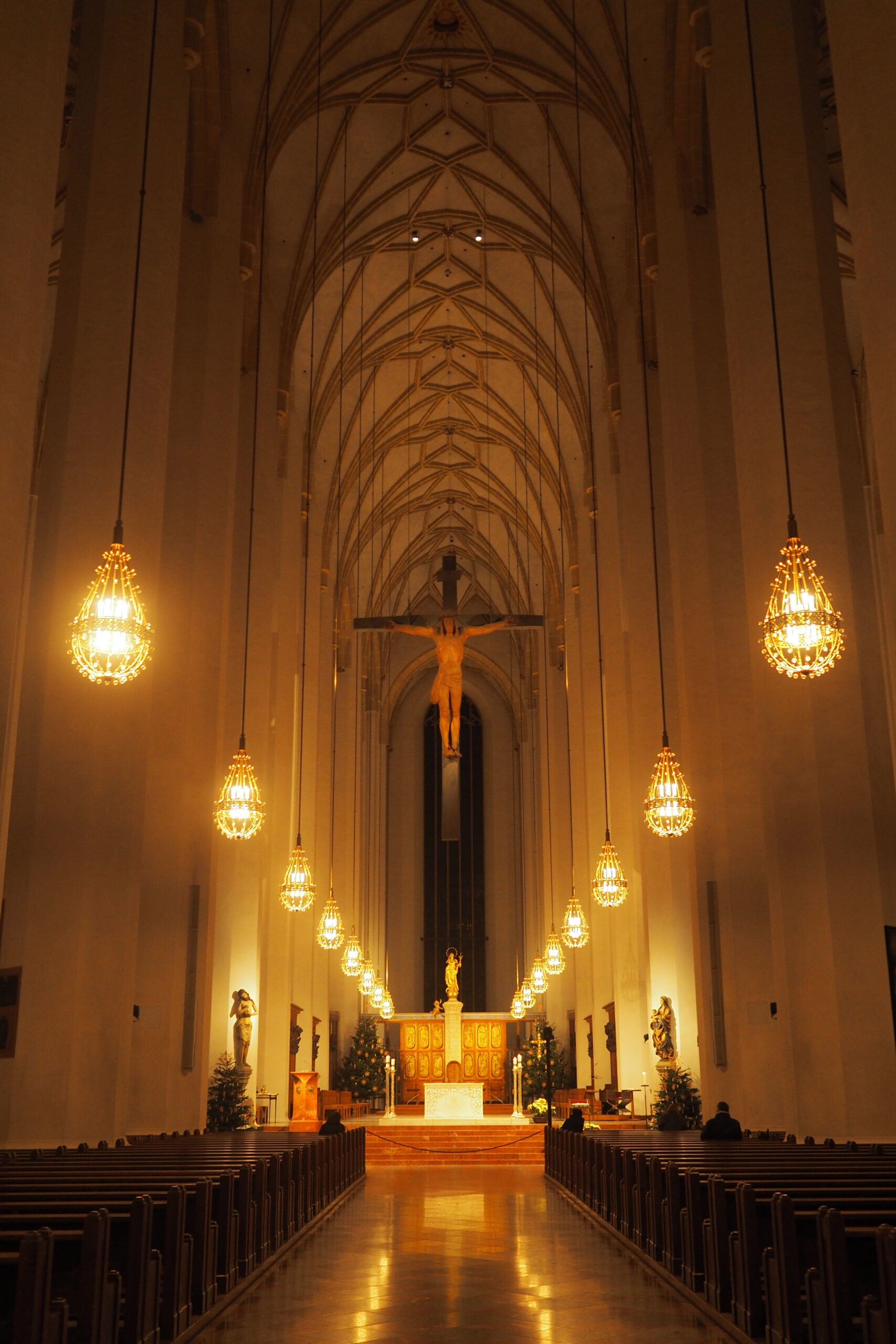
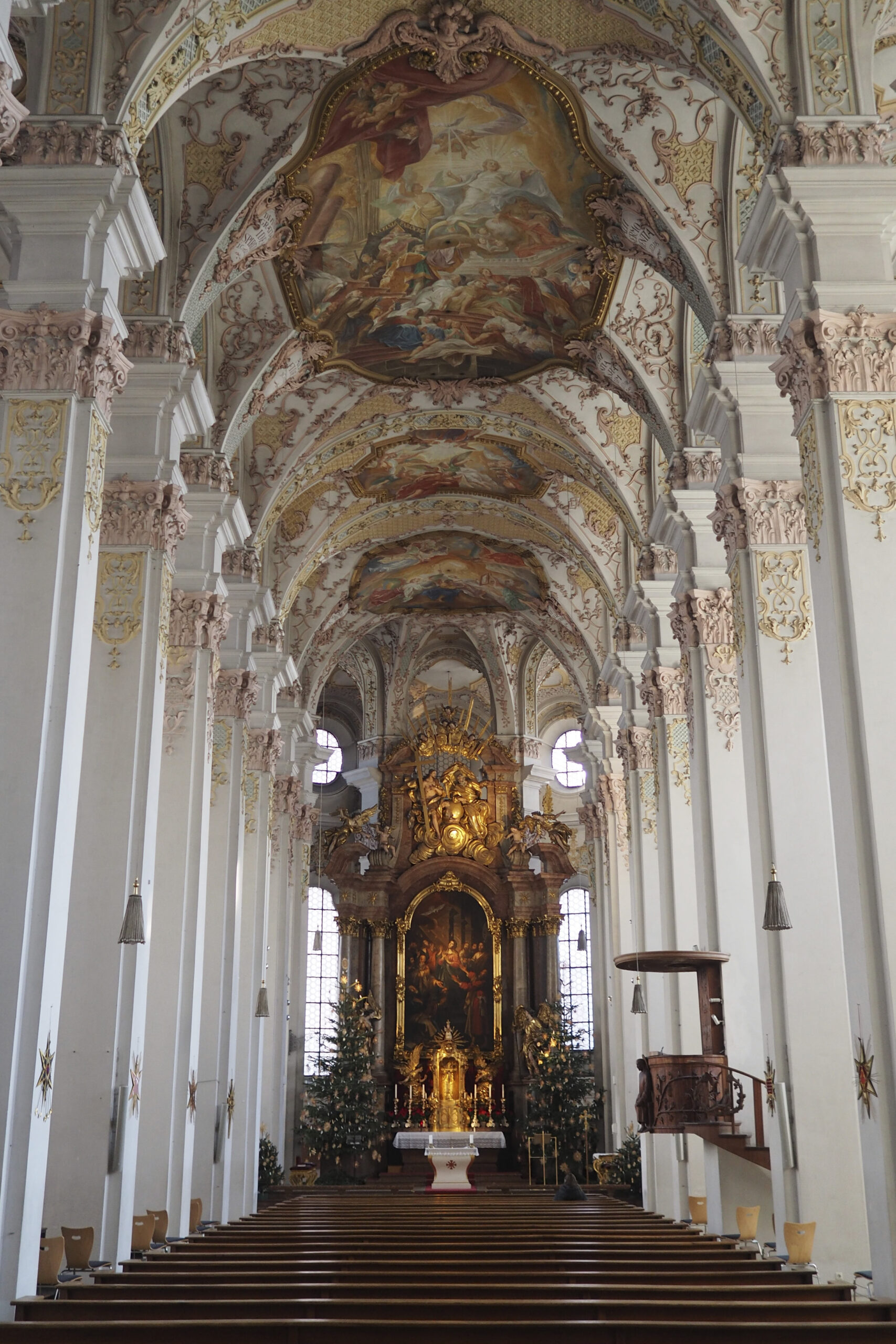
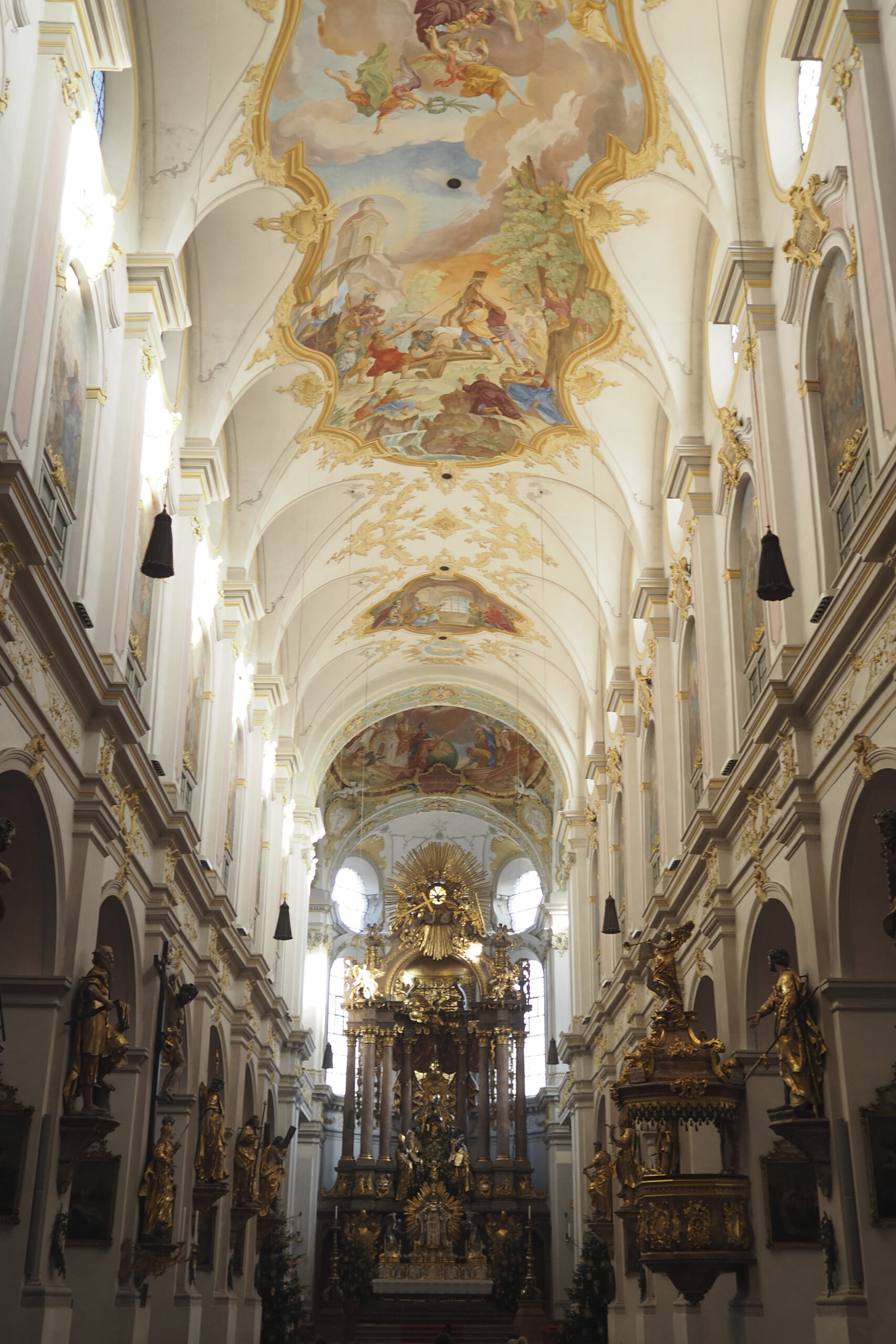
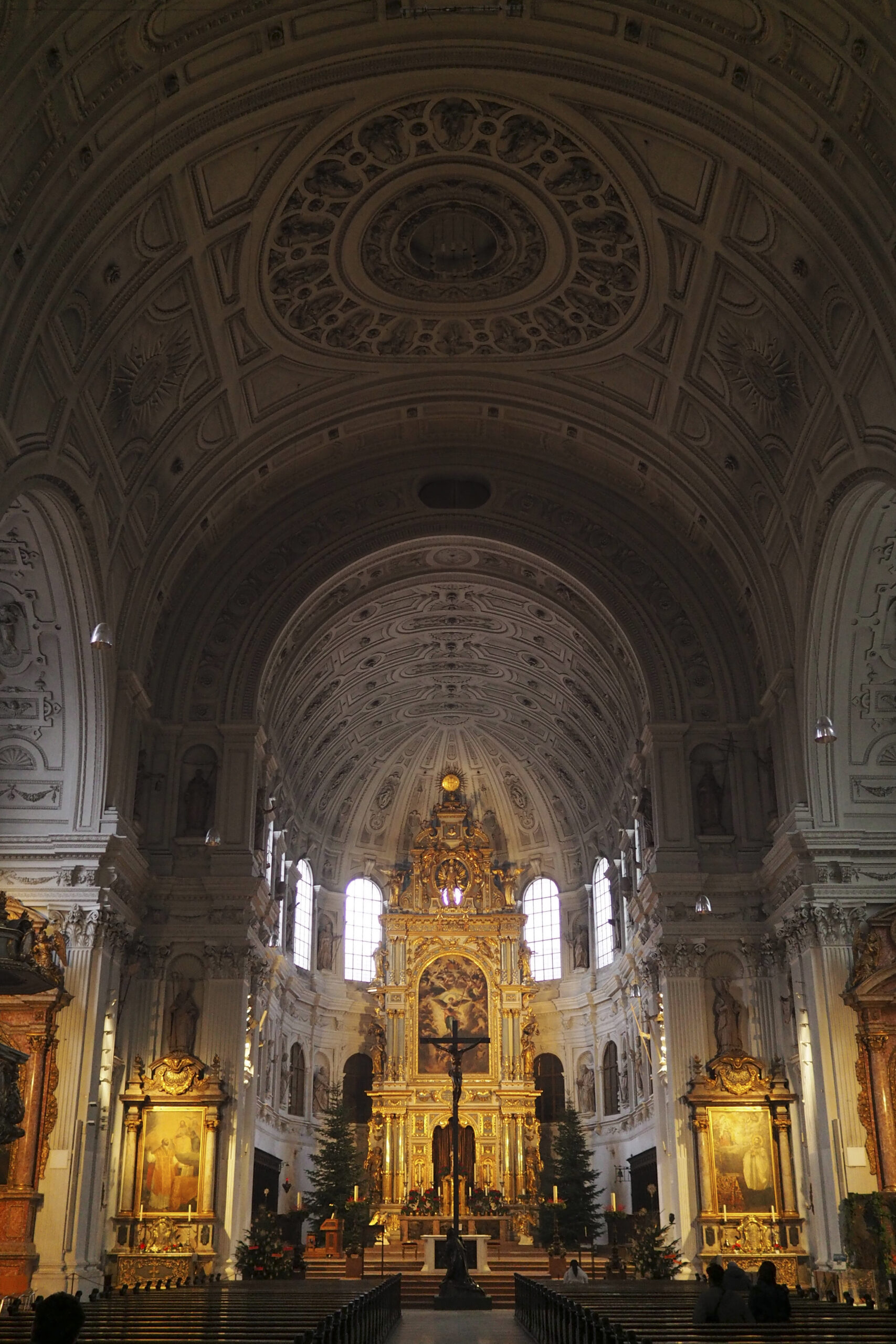
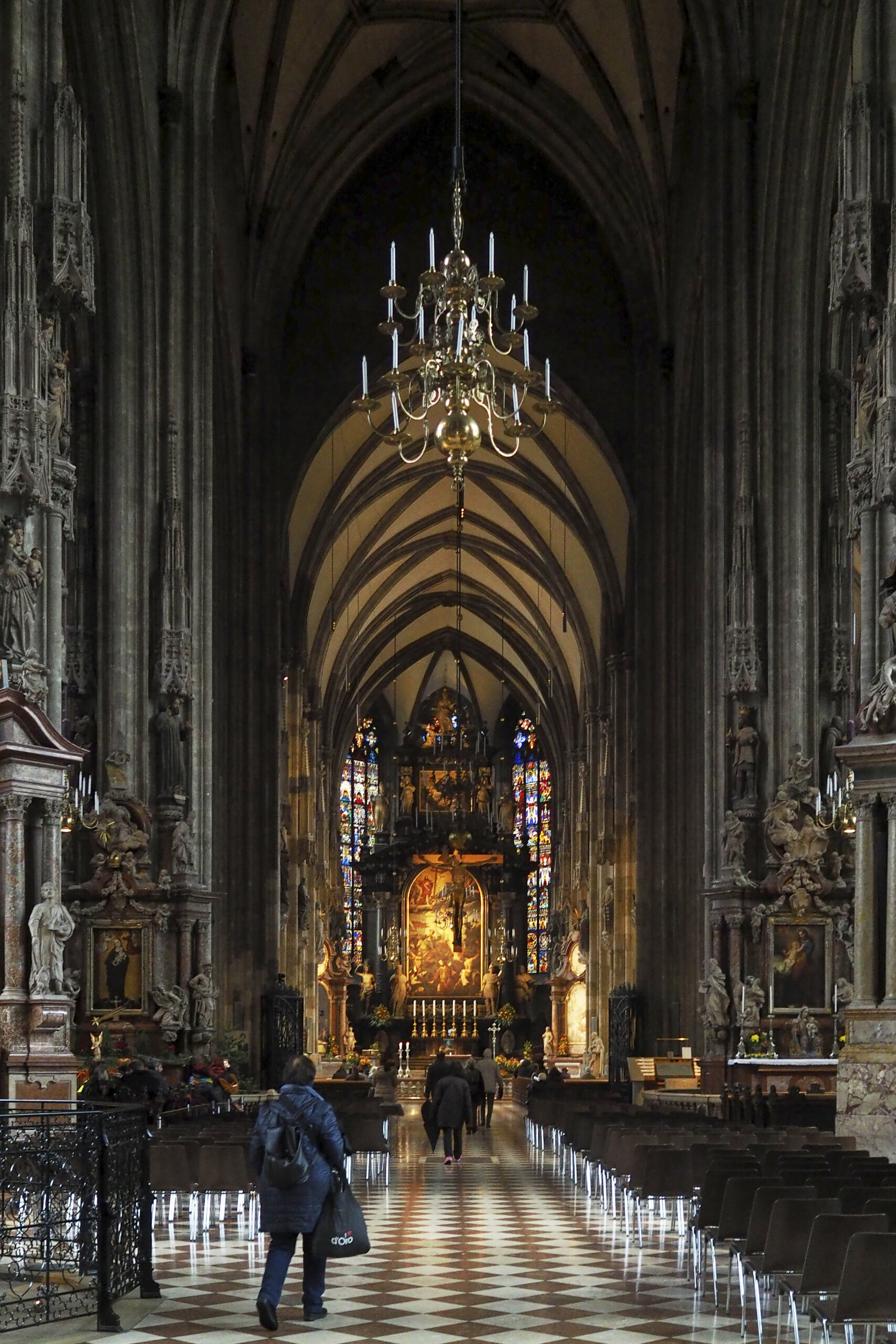
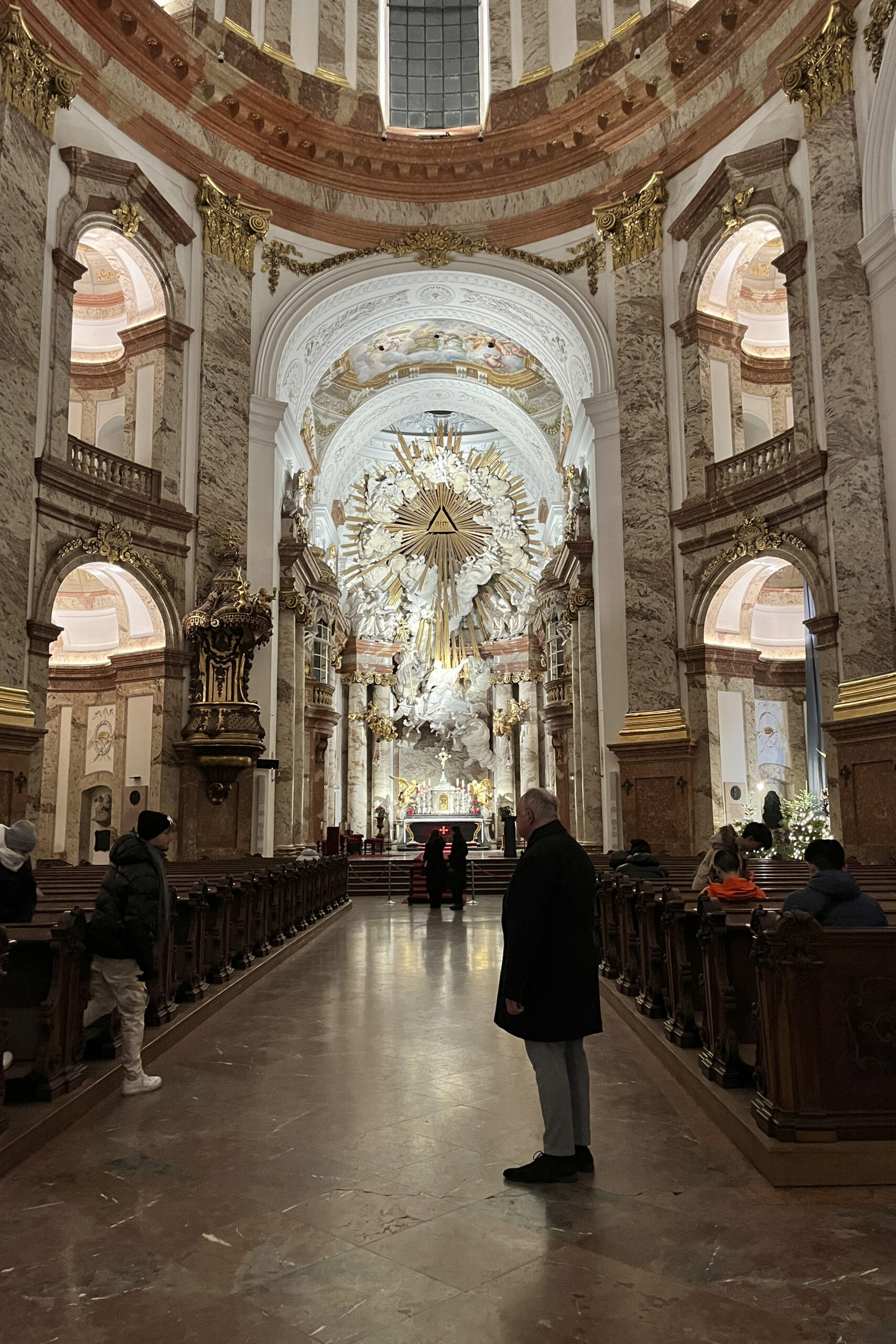
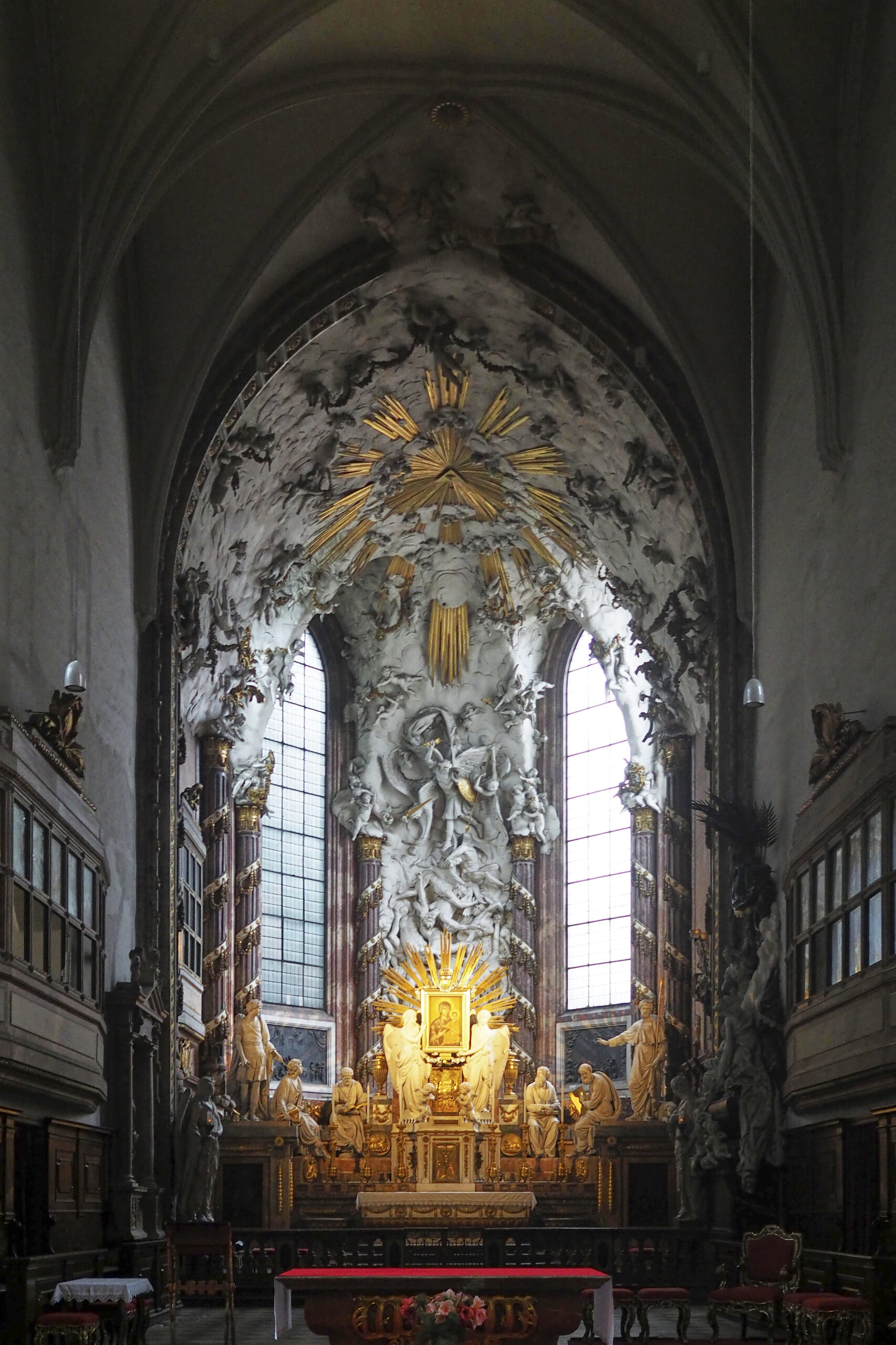
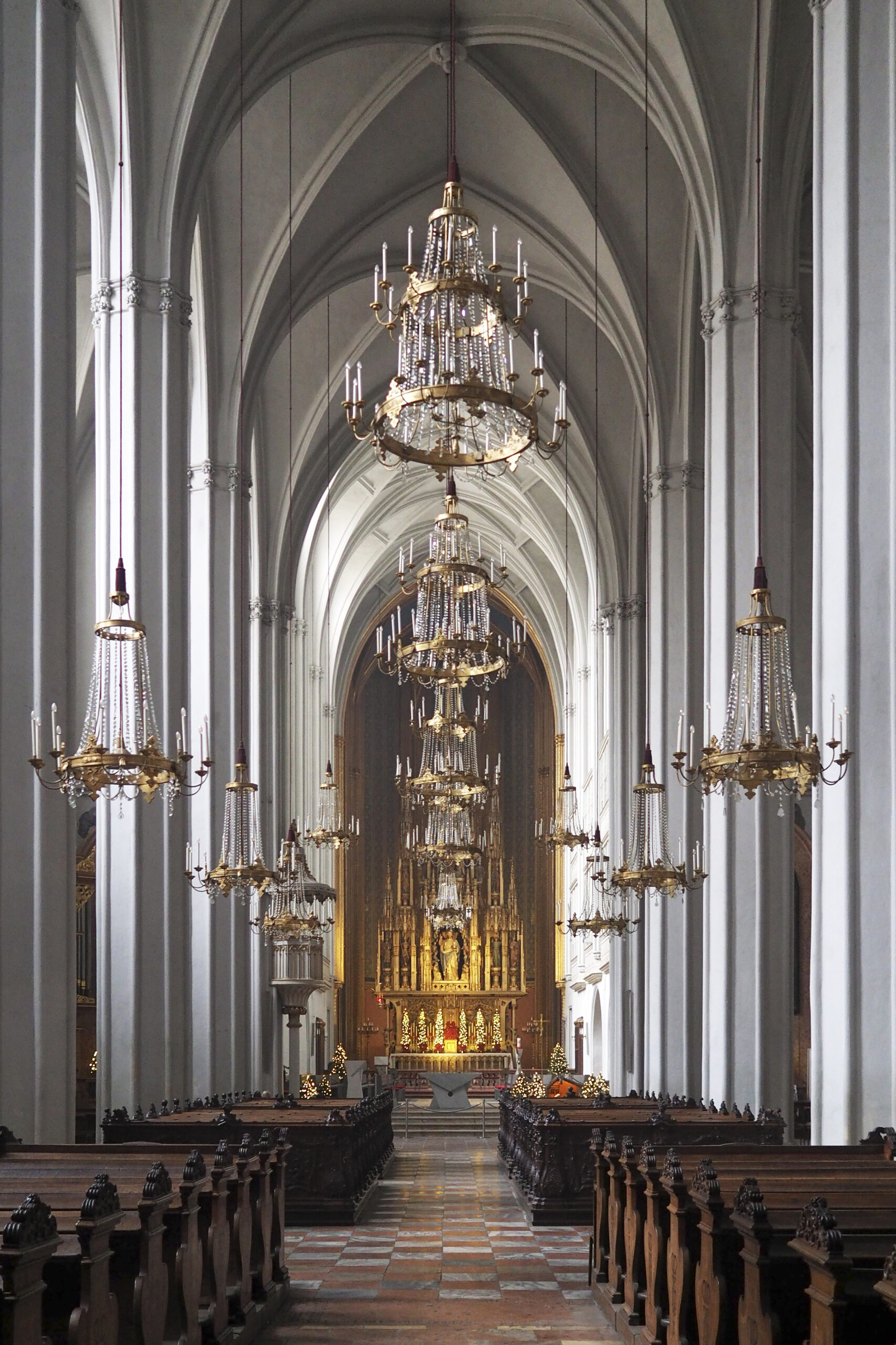
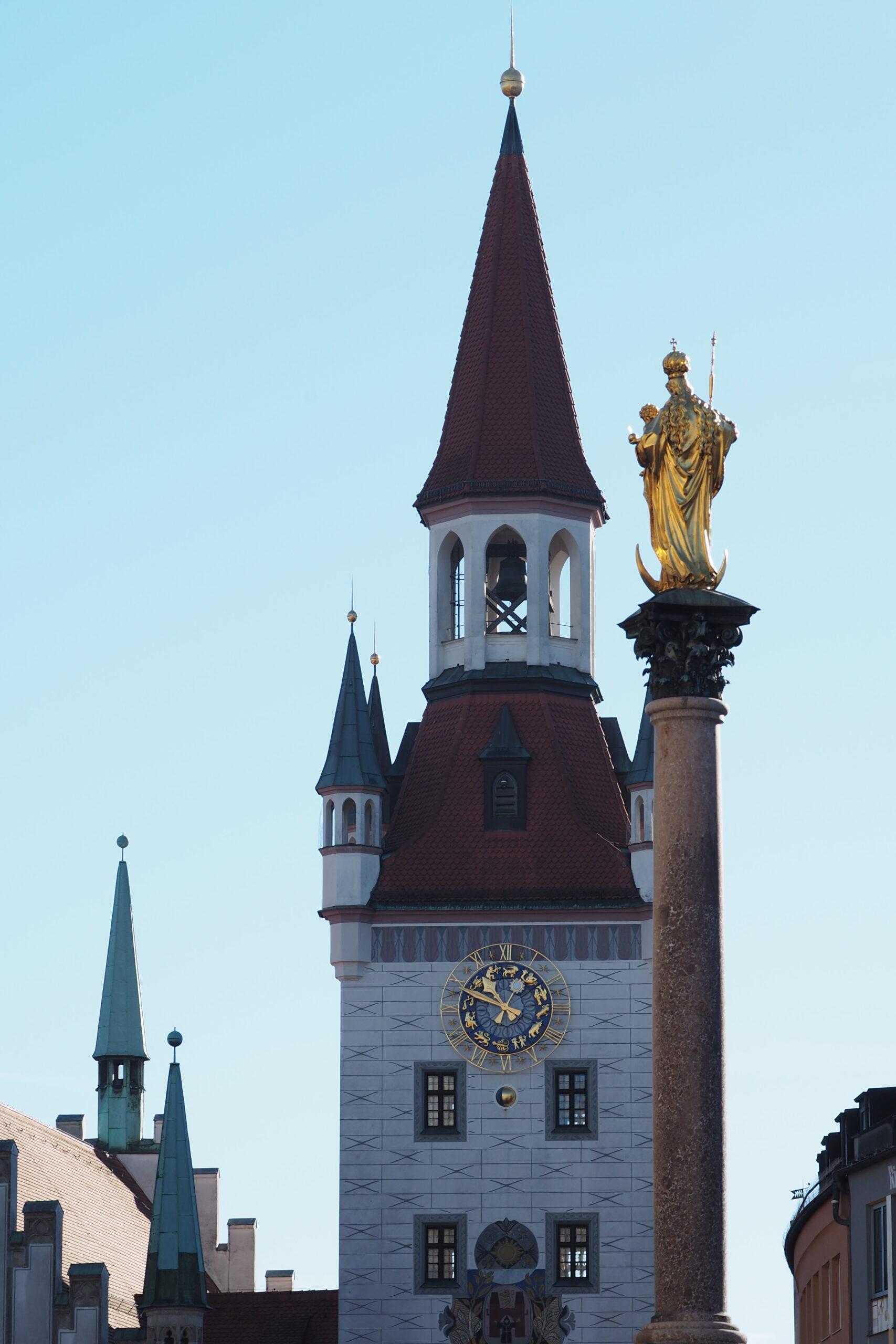
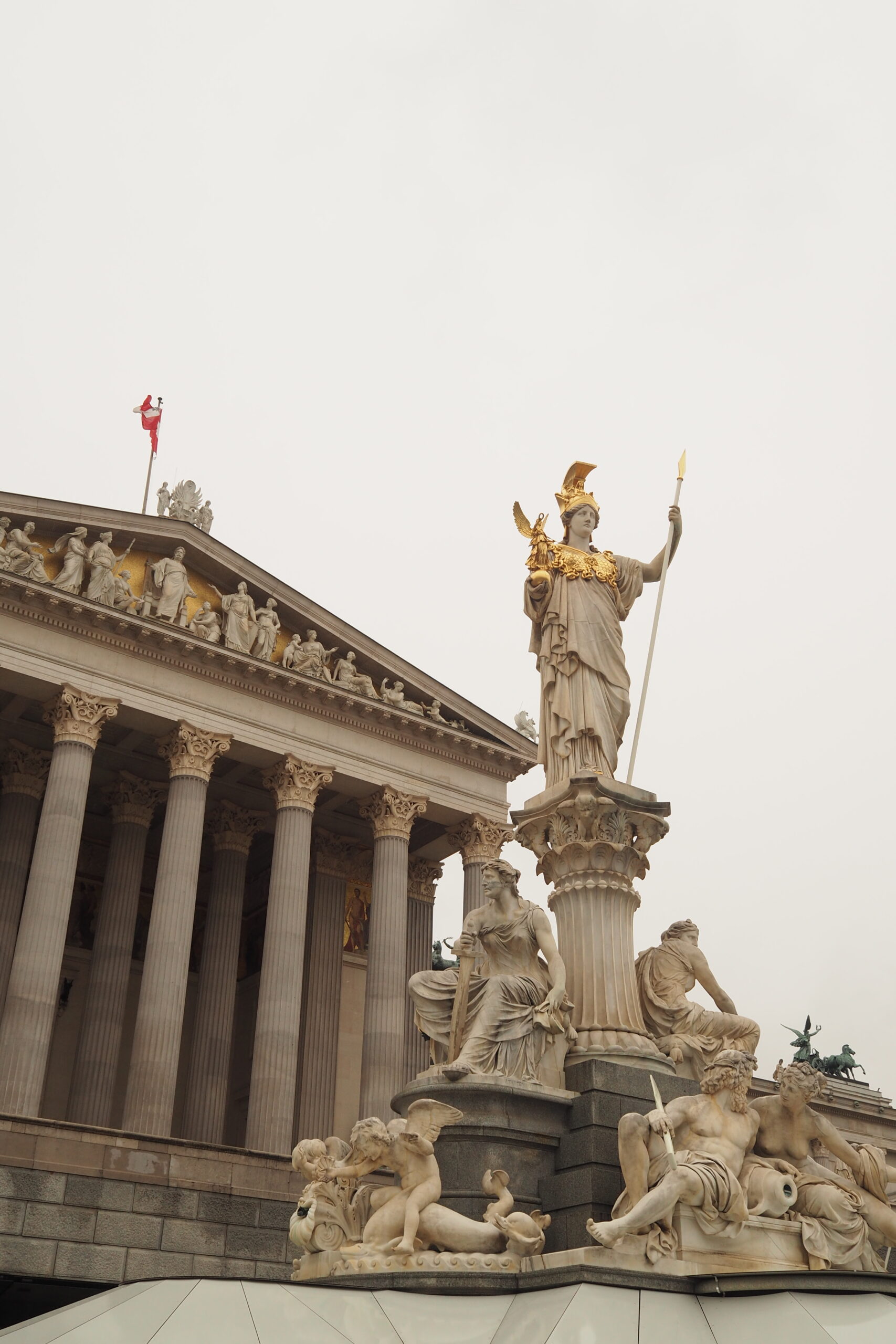
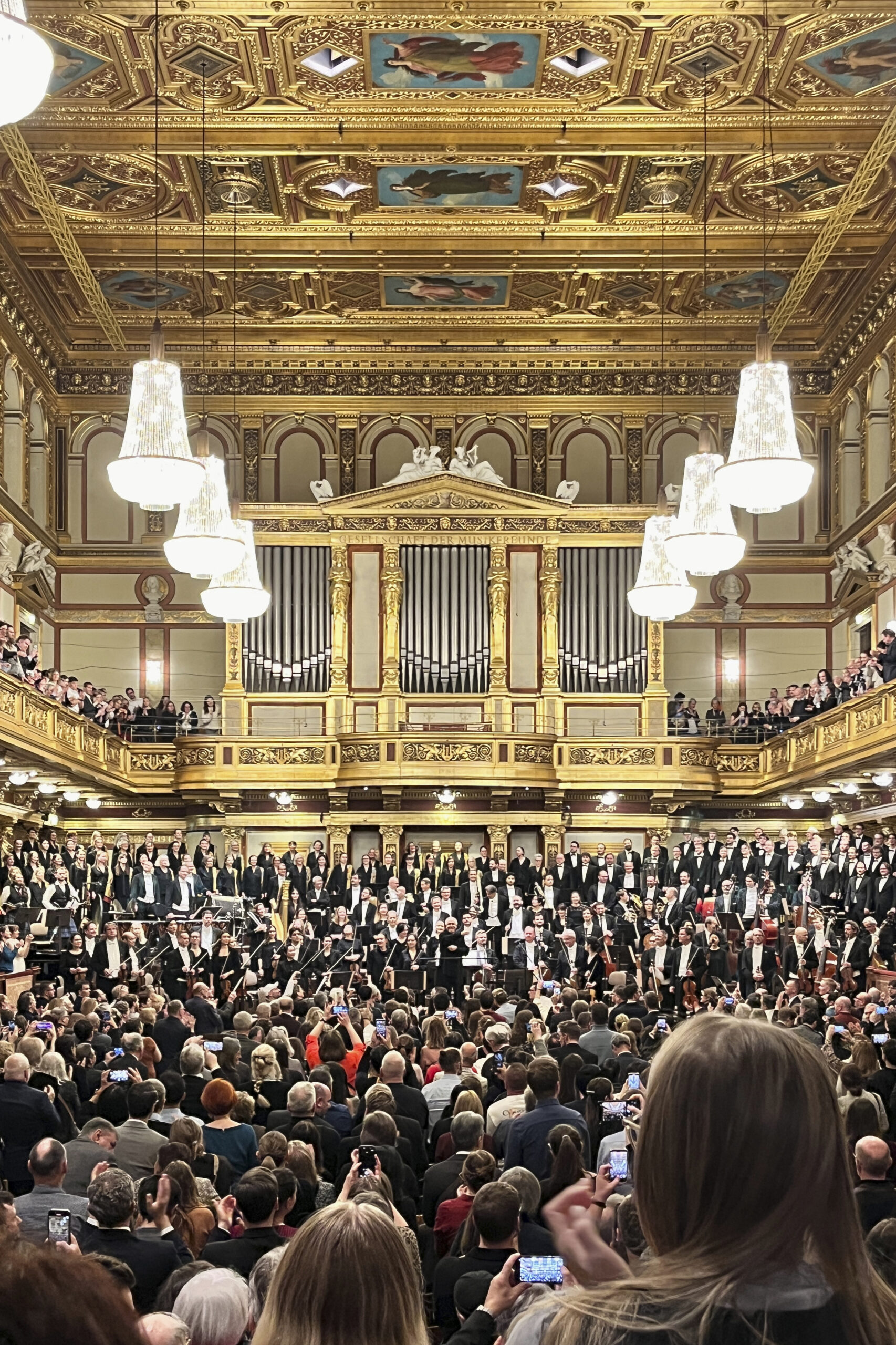
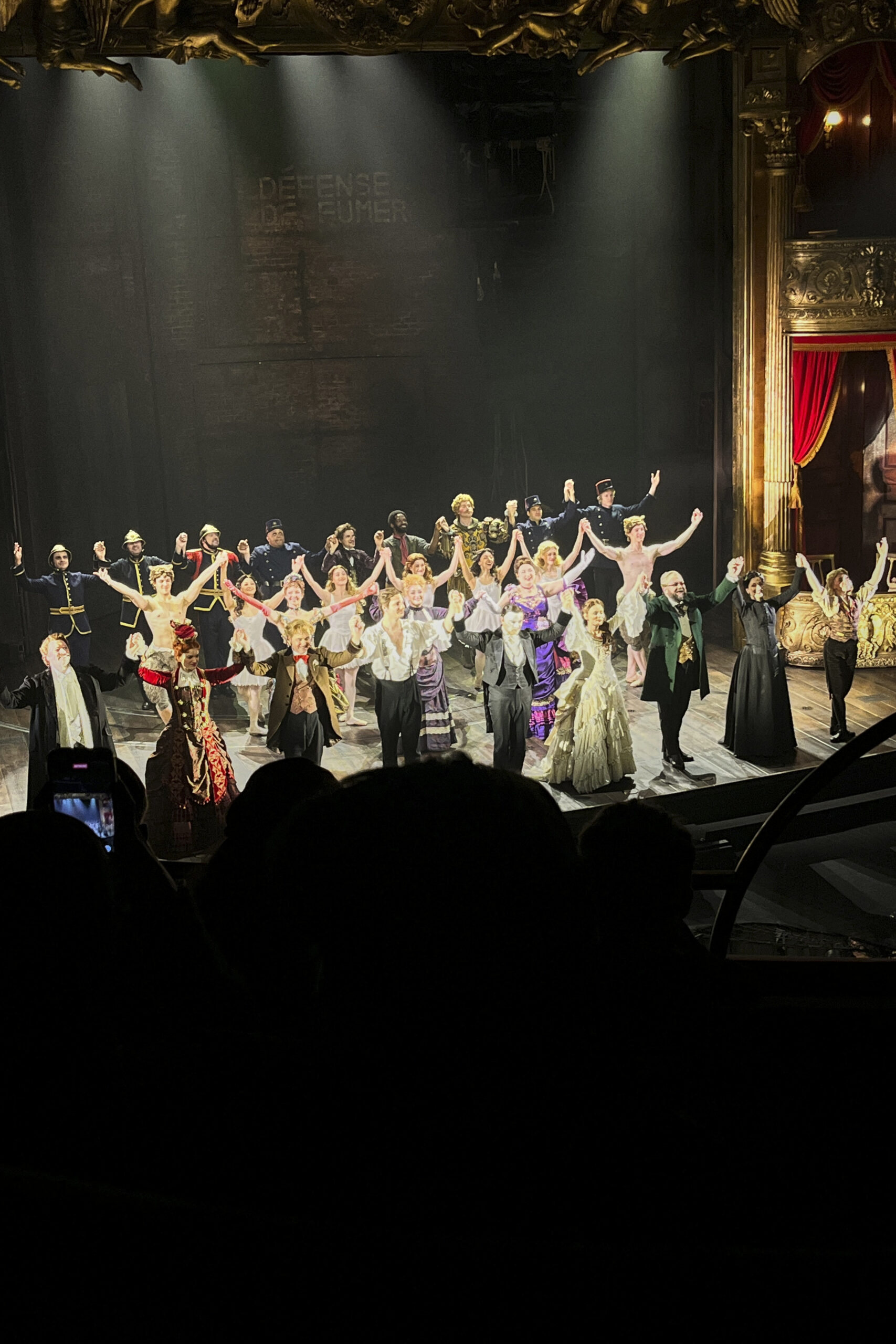
After visiting these two cities, what impressed me most about the old town was the incredibly high density of churches. There was almost one every 300 meters or so, and each one was exquisite, with magnificent Gothic exteriors and luxurious Baroque interiors. This is rare in other European cities. Considering the population several hundred years ago, did people really need so many churches?
Later, it became clear that there were complex historical reasons behind this. The Reformation originated in northern Germany, where there was a strong interest in demolishing and simplifying churches. Southern Germany, on the other hand, became a region of resistance against the Reformation. Bavaria (Munich) and the Habsburg dynasty (Vienna) became the core of maintaining the old Catholic order, strengthening their power through more densely packed and magnificent churches. Churches were no longer merely centers of faith, but became hubs of administration, education, healthcare, and ideology. Austrian opera and musical traditions, like the ornate churches, became symbols of power that maintained a multi-ethnic state.
Now that power has passed, the original buildings have become cultural heritage sites for tourists. Some churches are now just empty shells. While visiting a church in Vienna, an elderly woman asked to borrow my lighter; she wanted to light a candle. In other churches, people would borrow other lit candles, but in this church, no one lit candles, and since I don't smoke, she couldn't light the first one.
Although the two cities subsequently chose two completely different historical trajectories, architecture still connects them.